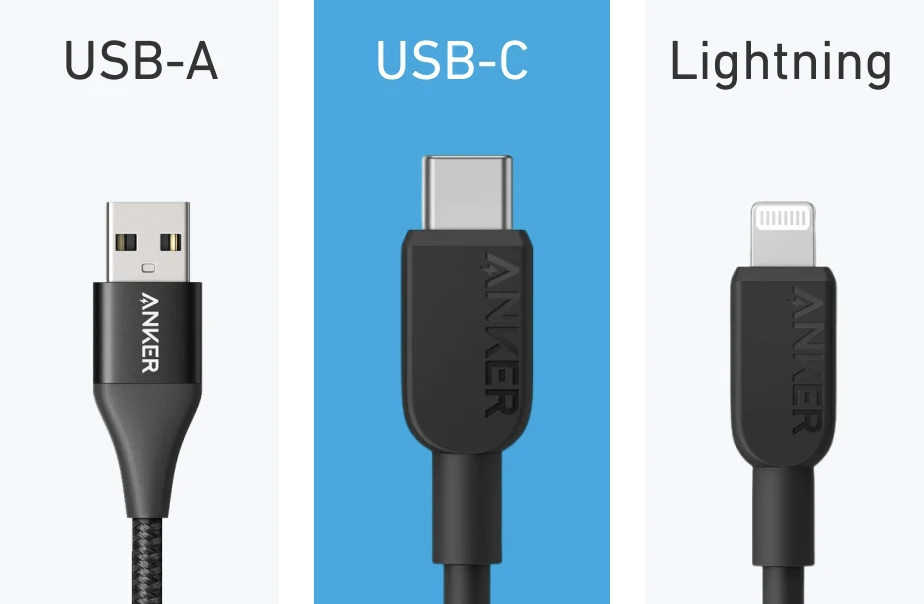
Understanding the Versatility of USB-C: How This Connector is Changing the Tech Landscape
USB-C has rapidly emerged as a vital component in the tech landscape, transforming how we connect and power our devices. Unlike its predecessors, USB-C employs a reversible design, allowing users to plug in cables without worrying about orientation. This convenience has made it a preferred choice for many, whether in smartphones, laptops, or other gadgets. The versatility of USB-C extends beyond just charging; it supports various protocols, enabling data transfer, video output, and even audio signals, consolidating multiple functions into a single port.
As industries shift towards USB-C, we witness a growing trend towards standardization across devices. Consumer electronics manufacturers are increasingly adopting this connector, leading to a more unified ecosystem. Companies such as Apple, Google, and Samsung have embraced USB-C, paving the way for a future where one cable can effectively replace multiple connectors. This evolution not only simplifies our tech setups but also promotes sustainability by reducing electronic waste. Overall, understanding the versatility of USB-C is crucial as it continues to reshape our interactions with technology.
Counter-Strike is a popular tactical first-person shooter game that has captivated millions of players worldwide. Known for its highly competitive gameplay and team-based mechanics, it features gameplay modes that encourage strategy and coordination among players. For those looking to enhance their gaming experience, check out the Top 10 fast chargers for iphone to ensure your devices are always ready for action.
5 Reasons Why USB-C is the Future of Connectivity
USB-C is rapidly becoming the universal standard for connectivity, and for good reason. Here are 5 reasons why it is shaping the future of connectivity:
- Versatility: USB-C supports a wide range of protocols including power delivery, video output, and data transfer, allowing users to connect multiple devices with a single port.
- Reversible Design: Unlike previous USB versions, USB-C connectors are reversible, meaning you can plug them in either way. This convenience is a significant improvement for user experience.
Continuing on with our 5 reasons, consider these additional points:
- Faster Data Transfer: USB-C can achieve data transfer speeds up to 40 Gbps, making it perfect for high-bandwidth applications such as video editing and large file transfers.
- Power Delivery: With the ability to deliver up to 100W of power, USB-C can charge not only phones and laptops but also power large devices, eliminating the need for multiple chargers.
- Widespread Adoption: Major tech companies are already embracing USB-C, ensuring a future where devices are increasingly compatible and consumers can enjoy seamless connectivity.
Is Your Device Ready for USB-C? A Comprehensive Guide to Transitioning
As technology continues to advance, USB-C has emerged as the universal standard for connecting devices, providing faster data transfer and charging capabilities. To determine if your device is ready for this transition, you should first check the specifications of your current devices. Look for indicators such as the shape of the connector and any labeling that denotes USB-C compatibility. It’s also worth considering the ecosystem around your device; for instance, accessories like chargers and cables often need to be upgraded to fully leverage the benefits of USB-C.
Transitioning to USB-C can streamline your tech setup, but it requires some planning. Here are a few key steps to help you make this change:
- Audit Your Devices: List out all the devices you use daily and check their compatibility with USB-C.
- Upgrade Accessories: Invest in quality USB-C cables and chargers for improved performance.
- Stay Informed: Follow tech news to keep updated on new devices that feature USB-C and any changes in industry standards.
By preparing ahead of time, you can ensure a smooth transition to USB-C, enhancing both your productivity and your device's performance.