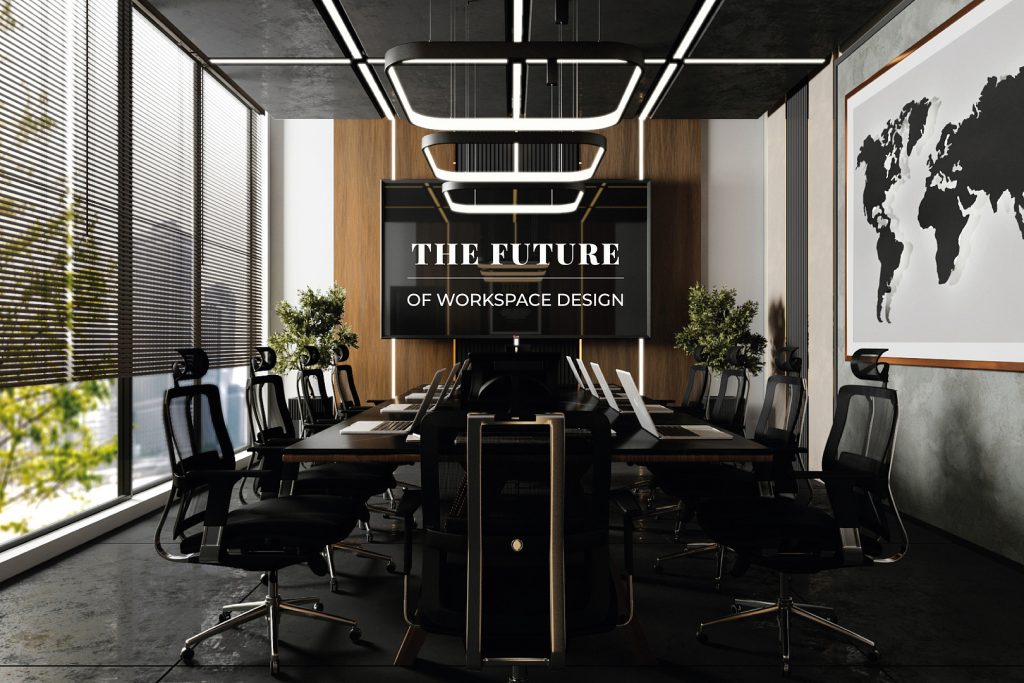
5 Essential Elements of a Creative Workspace
Creating a productive environment is crucial for fostering creativity and innovation. The 5 essential elements of a creative workspace play a pivotal role in enhancing focus and boosting inspiration. First and foremost, natural light is vital. It not only helps reduce eye strain but also elevates mood and energy levels. Incorporating large windows or skylights can make a significant difference. Secondly, flexible furniture is essential. Consider using moveable desks and comfortable seating arrangements that allow for easy reconfiguration, catering to different tasks and collaboration needs.
Another essential component is personalization. A workspace should reflect individual personality and style, which can help make the space feel more inviting and motivating. Encourage the use of art pieces, plants, and personal objects that resonate with the individual's creativity. Additionally, technology cannot be overlooked—a reliable internet connection and modern gadgets streamline tasks and facilitate remote collaboration. Lastly, incorporating quiet zones or designated areas for relaxation allows for recharging, ultimately enhancing productivity and creativity in any workspace.
Counter-Strike is a highly popular first-person shooter game that emphasizes teamwork and strategy, where players can choose to play as terrorists or counter-terrorists. The game has evolved significantly since its initial release, with various versions and updates introducing new maps and gameplay mechanics. For players looking to enhance their gaming experience, certain items can be crucial; you might want to check out the Top 10 Home Office Essentials that can help create the perfect setup.
How to Optimize Your Desk Setup for Maximum Productivity
To optimize your desk setup for maximum productivity, start by organizing your workspace in a way that minimizes distractions. Begin with decluttering your desk: remove any unnecessary items that do not contribute to your workflow. Utilize desk organizers or drawer systems to keep essential tools like pens, notepads, and electronic devices easily accessible. Consider implementing a dual monitor setup if your tasks require multitasking or extensive screen time, as this can enhance focus and efficiency. Additionally, adjust your chair and desk height to ensure a comfortable ergonomic position, which can help prevent fatigue throughout the day.
Another critical aspect of your desk setup is lighting. Ensure your workspace is well-lit, preferably with natural light, as this can greatly influences your mood and productivity levels. For evening work, invest in adjustable task lighting that reduces glare on your screens. Moreover, don’t underestimate the power of plants; having greenery on your desk can boost creativity and mental well-being. Lastly, incorporate a routine that encourages periodic breaks away from your workspace. Techniques such as the Pomodoro Technique, which involves working for 25 minutes followed by a 5-minute break, can help keep your mind sharp and focused.
Does Your Workspace Design Affect Your Creativity? Here's What Research Says
Research indicates that workspace design plays a significant role in influencing creativity. Studies have shown that elements such as lighting, color, and layout can greatly impact an individual's ability to think creatively. For instance, workplaces that incorporate natural light and vibrant colors tend to foster a more invigorating environment, which can enhance creative thinking. Additionally, open spaces have been linked to higher levels of collaboration, allowing ideas to flow freely among team members. This aligns with findings from a study conducted by the Journal of Environmental Psychology, which suggests that a well-designed workspace can lead to a 20% increase in creative productivity.
Furthermore, the ergonomics of a workspace cannot be overlooked when considering its effect on creativity. Comfortable seating and a well-organized desk can reduce physical strain, allowing individuals to focus more on their tasks rather than discomfort. According to a report from Harvard Business Review, companies that prioritize employee well-being through thoughtful workspace design experience higher levels of innovation and satisfaction. In conclusion, it is clear that by investing in effective workspace design, organizations can unlock their employees' creative potential and ultimately drive success.