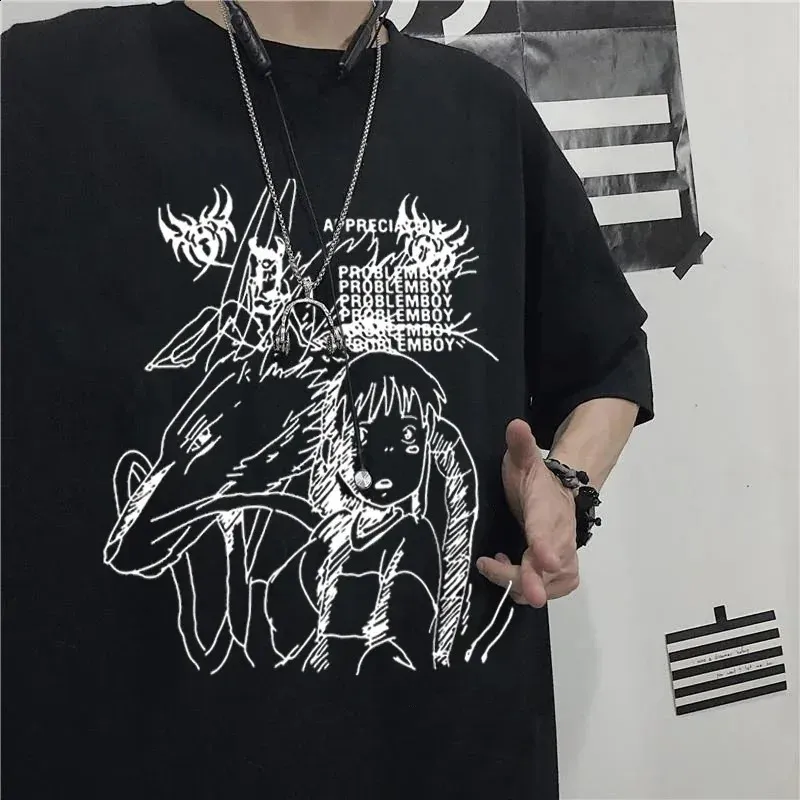
Exploring the Depths of Monochrome: Iconic Black and White Anime Series
When it comes to anime, few styles evoke as much emotion and nostalgia as black and white series. These iconic works often strip away the distraction of color to focus on storytelling, character development, and atmosphere. From masterpieces like 'Akira' to haunting narratives such as 'Kino's Journey' , monochrome anime captivates viewers with its unique ability to highlight the nuances of light and shadow. The artistry in these series often tells a visual story of its own, making them essential viewing for both anime enthusiasts and newcomers alike.
The aesthetic of black and white anime has made a significant impact on the medium, influencing countless creators and inspiring a revival of classic storytelling techniques. In addition to their artistic merit, these series often tackle complex themes such as existentialism, identity, and morality, engaging viewers on multiple levels. Notable mentions include 'Baccano!' and 'Serial Experiments Lain' , which take full advantage of their monochromatic style to enhance the emotional weight of the narratives. Join us as we dive deeper into the world of these remarkable series, exploring the depth and artistry of monochrome anime.
If you're a fan of the popular anime series, you should definitely check out our jujutsu kaisen shop for a wide selection of merchandise, including apparel and accessories that showcase your love for the show. Whether you're looking for figures or clothing, this shop has something for every Jujutsu Kaisen enthusiast!
The Art of Contrast: How Black and White Styles Enhance Anime Storytelling
The use of black and white styles in anime is an artistic choice that transcends mere aesthetics; it serves a critical role in enhancing storytelling. By stripping away color, artists can emphasize the emotional gravity of a scene, guiding the viewer's focus toward character expressions and intricate details. This stark contrast allows for a unique interpretation of themes, such as the duality of good versus evil or the complexities of human emotions. When combined with dynamic animation techniques and meticulous line work, black and white art transforms the narrative into a more profound experience, capturing the audience's imagination in ways that vibrant colors sometimes cannot.
Moreover, the contrast of black and white gives creators an opportunity to convey mood and atmosphere effectively. For example, the darkness in a scene can evoke feelings of despair, while lighter tones might suggest hope and redemption. This manipulation of light and shadow not only enriches the story but also engages the audience on a sensory level. Classic anime that utilize these contrasting styles, such as Death Note and One Punch Man, showcase how thoughtful use of monochrome can elevate plotlines and character development, ensuring that each episode resonates deeply with viewers.
Why Monochrome? The Allure of Black and White Aesthetics in Anime
The allure of black and white aesthetics in anime lies in its ability to evoke a sense of nostalgia and evoke profound emotions that color can sometimes overshadow. By stripping away vibrant hues, monochrome art resonates with audiences on a deeper level, emphasizing story, character, and atmosphere. Artists use shadows and light to create an engaging narrative experience, allowing viewers to focus on subtle details that might otherwise be lost. This approach enhances mood and tension, drawing the audience in and creating a more immersive experience.
Furthermore, the utilization of monochrome themes frequently represents themes of simplicity and minimalism. This can often lead to a stark contrast between the characters and their environments, symbolizing internal conflicts or heightening the drama of the storyline. Many classic and contemporary anime masterpieces have explored this aesthetic, reinforcing the idea that sometimes less is more. Ultimately, embracing black and white aesthetics allows anime creators to transcend typical visual storytelling, putting the focus solely on their art and the emotions it evokes.