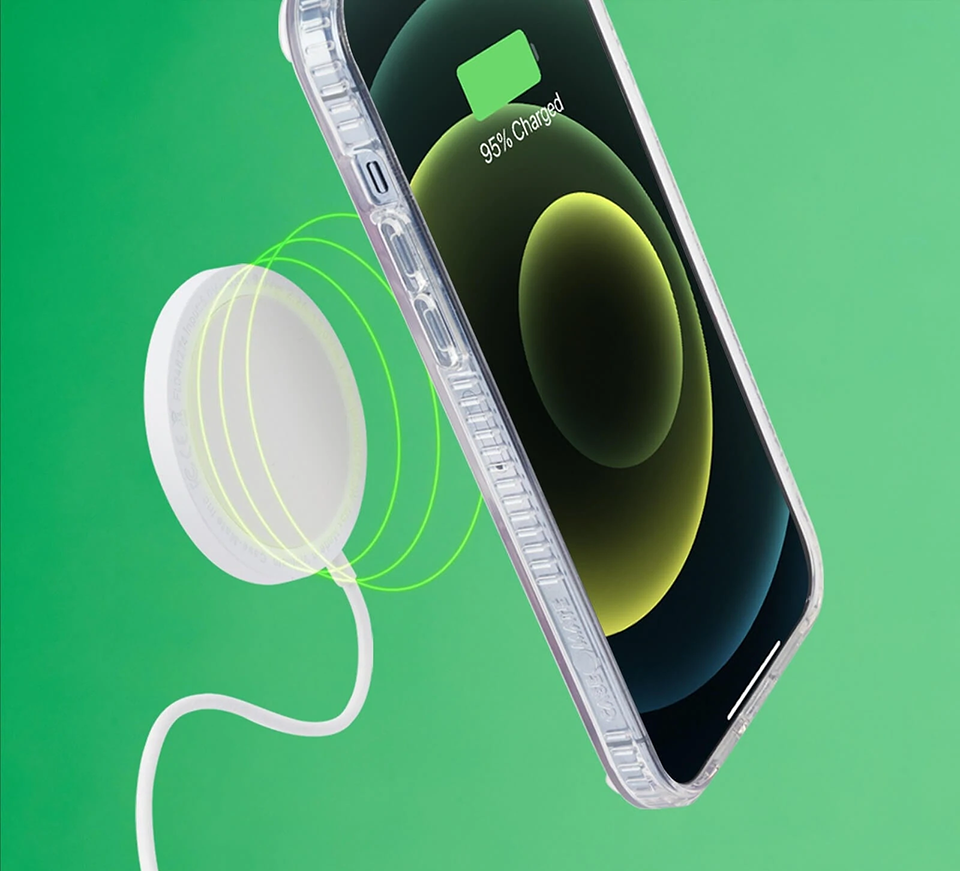
How Does Wireless Charging Work? Unraveling the Science Behind the Magic
Wireless charging operates through a process known as electromagnetic induction. At its core, this method uses two coils: a transmitter coil, located in the charging pad, and a receiver coil, integrated into the device being charged. When the charging pad is connected to a power source, alternating current (AC) flows through the transmitter coil, creating a fluctuating magnetic field. This magnetic field induces a current in the receiver coil, allowing the device to charge without any physical connectors. This innovation not only enhances convenience but also reduces wear and tear on charging ports.
To delve deeper, one can consider the efficiency of wireless charging. Typically measured in percentage, this efficiency can vary based on several factors, including the alignment of the coils and the distance between them. For optimal performance, devices should be positioned correctly over the charging pad. Additionally, advancements in technology are continuously improving these systems, resulting in faster charging speeds and greater energy transfer rates. As we unlock more of the science behind this magical technology, it’s clear that wireless charging is set to revolutionize our daily charging routines.
Counter-Strike is a popular tactical first-person shooter video game franchise that has captivated gamers around the world since its initial release. The game pits teams of terrorists against counter-terrorists in a variety of objective-based scenarios. Players must strategize and communicate effectively to secure victory in intense multiplayer matches. For those looking for accessories, check out the Top 10 Thin Silicone Cases for AirPods to keep your devices protected while gaming.
The Advantages of Wireless Charging: Convenience, Safety, and Efficiency
Wireless charging offers a level of convenience that traditional wired charging simply cannot match. With the ability to simply place your device on a charging pad, there's no more fumbling with cords or worrying about fraying cables. This seamless experience is especially beneficial in our fast-paced lives, where speed and ease are paramount. Whether at home, in the office, or on the go, wireless chargers are designed to integrate effortlessly into various environments, allowing for efficient charging without the clutter.
Moreover, wireless charging enhances safety by reducing the wear and tear associated with plugging and unplugging cables. This not only prolongs the lifespan of your device's charging port but also minimizes the risk of electrical shocks and short circuits. Additionally, many wireless chargers are equipped with features such as overheating protection and foreign object detection, ensuring that your device remains secure during the charging process. Ultimately, the combination of efficiency, convenience, and safety makes wireless charging an attractive option for tech-savvy users.
Is Wireless Charging Right for You? Pros and Cons to Consider
Wireless charging has gained popularity for its convenience and ease of use, but is it the right choice for you? One of the major pros of wireless charging is its simplicity: just place your device on a charging pad, and it starts charging without fumbling with cables. Additionally, it can reduce wear and tear on charging ports, potentially extending the lifespan of your device. Furthermore, many modern smartphones and accessories support this technology, making it a versatile option for many users.
However, there are notable cons to consider before making the switch to wireless charging. One significant drawback is the charging speed; wireless chargers can be slower than traditional wired alternatives, which may not appeal to users who are always on the go. Also, you may need to invest in a new charging pad or accessory, as not all devices support wireless charging natively. It’s essential to evaluate your personal usage habits and charging needs before committing to this technology.