How Does Wireless Charging Work? A Deep Dive into Cordless Technology
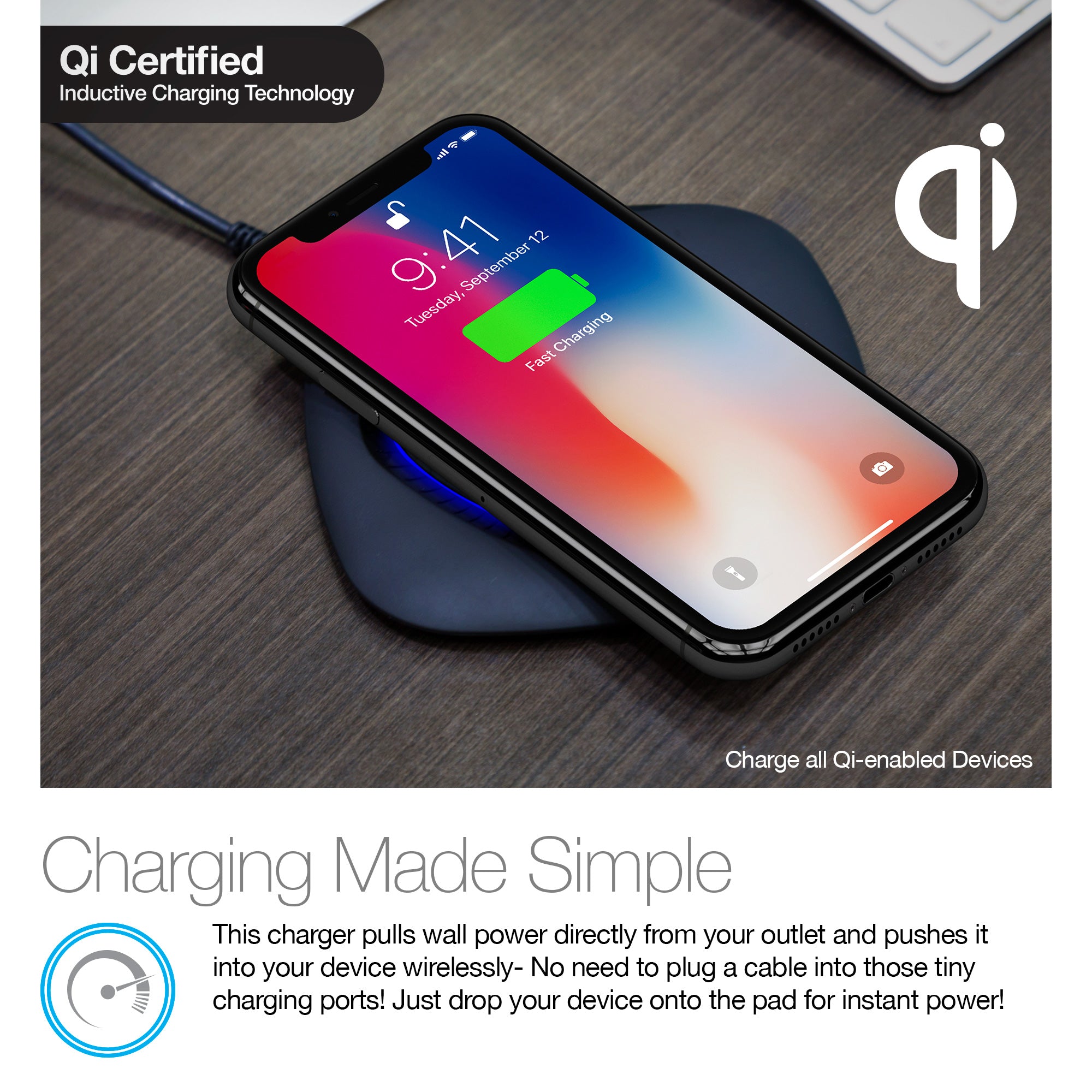
Wireless charging, also known as inductive charging, is a technology that allows electronic devices to charge without the need for physical connectors or cables. It operates on the principle of electromagnetic induction, where a charging station produces an alternating electromagnetic field which induces an electric current in a receiver coil within the device. When the device is placed on the charging pad, the two coils interact, allowing energy to be transferred efficiently. This innovative method not only enhances convenience but also minimizes wear and tear on charging ports, making it a popular choice for modern smartphones and other gadgets.
The process of wireless charging involves several key components: transmitter and receiver coils, a power management system, and often a cooling system to manage heat produced during charging. These components work together seamlessly to ensure a safe and efficient charging experience. There are various standards for wireless charging, including Qi and PMA, each with its specifications and compatibility requirements. As technology continues to evolve, we can expect greater efficiency, faster charging times, and even innovative applications, such as charging multiple devices simultaneously.
Counter-Strike is a popular tactical first-person shooter game that has captivated gamers around the world since its inception. It focuses on team-based gameplay, where players choose to be part of the terrorist or counter-terrorist teams. As players engage in various scenarios and missions, they must strategize and work together to achieve their objectives. For those looking to enhance their gaming experience with reliable tech, check out the Top 10 magsafe power banks for constant power during intense gaming sessions.
The Benefits of Going Cordless: Why You Should Switch to Wireless Charging
Switching to wireless charging offers numerous benefits that enhance convenience and usability. One of the most significant advantages is the elimination of tangled cords. With a cordless setup, you can easily charge your devices without the hassle of finding and managing cables. This not only makes your charging experience more efficient but also helps reduce clutter in your living space.
Another compelling reason to embrace wireless charging is the ability to charge multiple devices simultaneously. Many wireless charging pads and stations feature multiple charging spots, allowing you to power up your smartphone, smartwatch, and other devices at once. This functionality is particularly beneficial for families or individuals who rely on multiple gadgets throughout the day, making going cordless a practical choice for a streamlined charging solution.
Common Questions About Wireless Charging: Myths and Facts
Wireless charging has become increasingly popular, but it is often surrounded by misconceptions. Many people are uncertain about how it works and whether it is a safe and efficient method of powering devices. One common myth is that wireless charging is significantly slower than traditional wired charging. In reality, while early wireless charging technologies may have lagged behind, advancements like Qi technology have made it possible to deliver charging speeds comparable to wired solutions. Furthermore, many modern devices are equipped to handle fast wireless charging, thereby eliminating this concern.
Another frequently asked question is whether wireless charging can damage a phone's battery. This myth stems from fears that the heat generated during the charging process could harm the battery's longevity. However, reputable wireless chargers are designed with safety features that regulate temperature and ensure optimal charging. It's essential to use chargers from trusted brands and to check for certifications that guarantee safety standards. By debunking these myths, consumers can better understand the benefits and efficiency of wireless charging.